
Wanna Garden?

Grow food. Build soil. Strengthen families.

Wanna Garden?

Let's discover what your garden could become.

You don't need a green thumb, a huge yard, or hours of free time. Tell us a little about your household, your space, and what you'd love to grow. In about 2 minutes, we'll help you discover the kind of garden that may fit your life.

Gardening solo, as a couple, or with the whole crew? There's a garden for you.

🌱 9 quick steps ⏱️ About 2 minutes 🎁 Free garden match
The Wanna Garden Survey

Find your garden

Step 1 of 9
🌱 What would you LOVE to get from your garden?

Choose all that apply.

😍 Which gardens make you say "I want THAT"?

Tap every picture you like. There are no wrong answers.

πŸ‘¨β€πŸ‘©β€πŸ‘§ Who's gardening with you?
🏑 What growing space do you have?
β˜€οΈ How much sun does the area receive?
⏰ How much time can your household realistically give the garden each week?
🌻 What sounds FUN to your household?

Choose all that apply.

🚧 What's your biggest concern?
🌎 Almost done!

Where should we send your garden match? We'll only use this to follow up about your garden.

Garden Types

Many paths. Healthier land. Brighter tomorrows.

Every garden is different. Here are the garden types we help people plan, build, and grow.
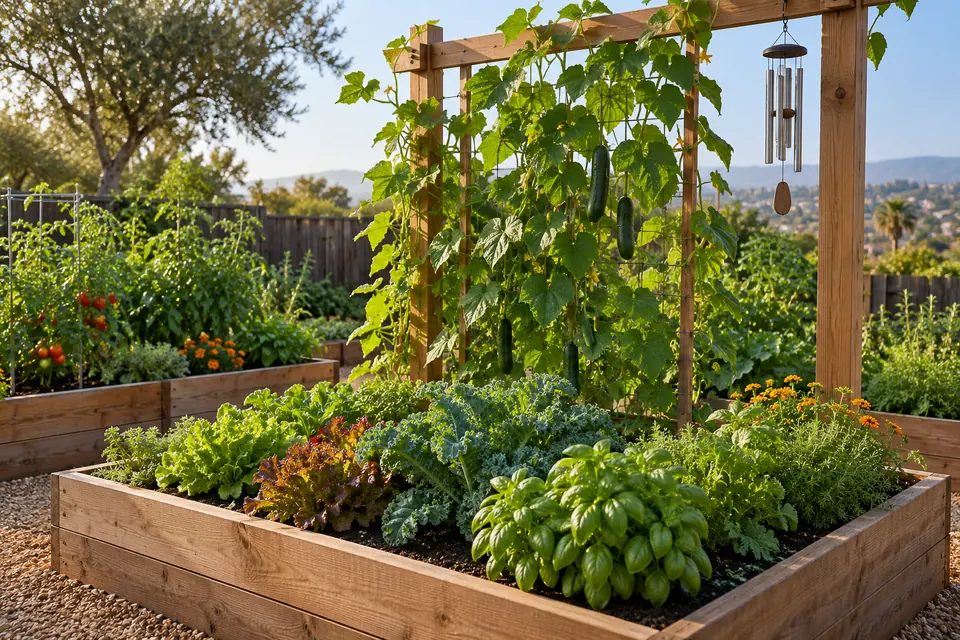
Photo of a raised bed garden

Raised Bed Garden

Grow vegetables, herbs, and flowers in elevated beds filled with quality soil. Raised beds warm quickly, drain well, reduce compaction, and are easy to reach and maintain. Add a trellis for climbing beans, cucumbers, and peas to make the most of your space.
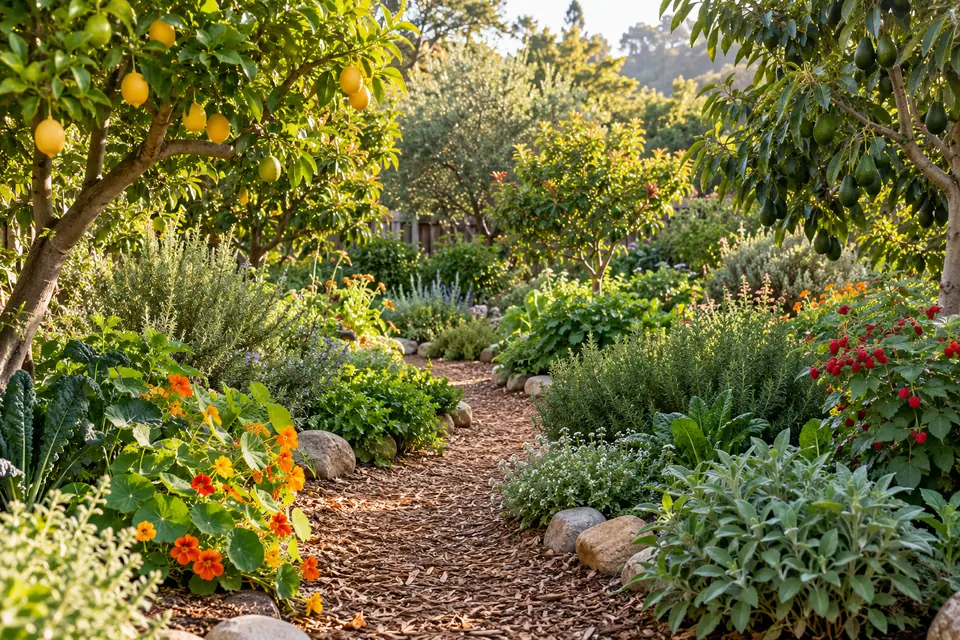
Photo of a food forest

Food Forest

A diverse, multi-layered planting system that mimics a natural forest. Includes fruit and nut trees, shrubs, herbs, groundcovers, and vines. Designed for long-term, low-maintenance food production and habitat.
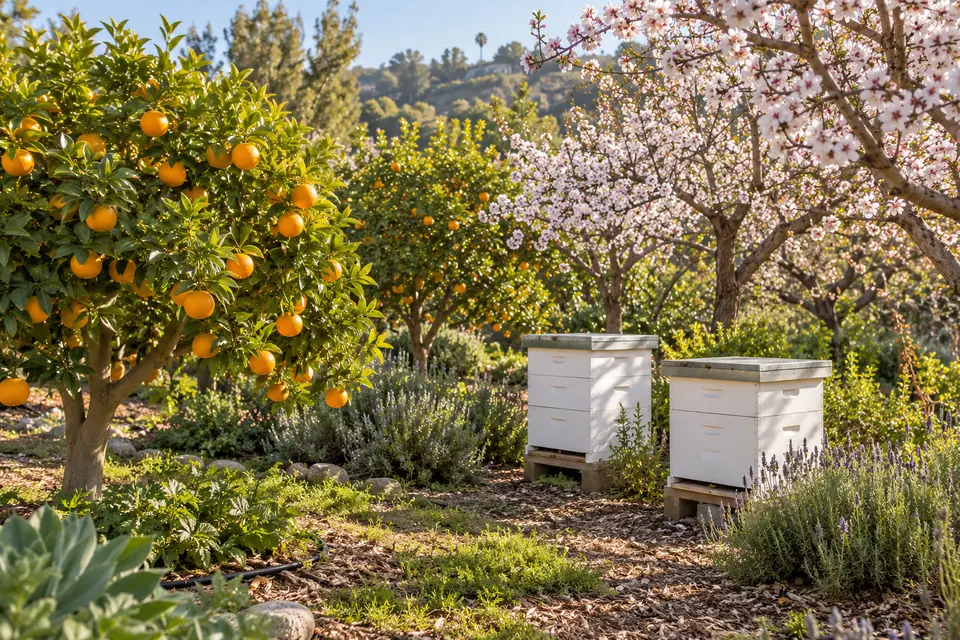
Photo of a fruit orchard

Fruit Orchard

A dedicated planting of fruit and/or nut trees such as citrus, apple, peach, olive, or almond. Provides long-term harvests, shade, and wildlife habitat. Beehives nearby help pollinate almonds and other fruit trees.
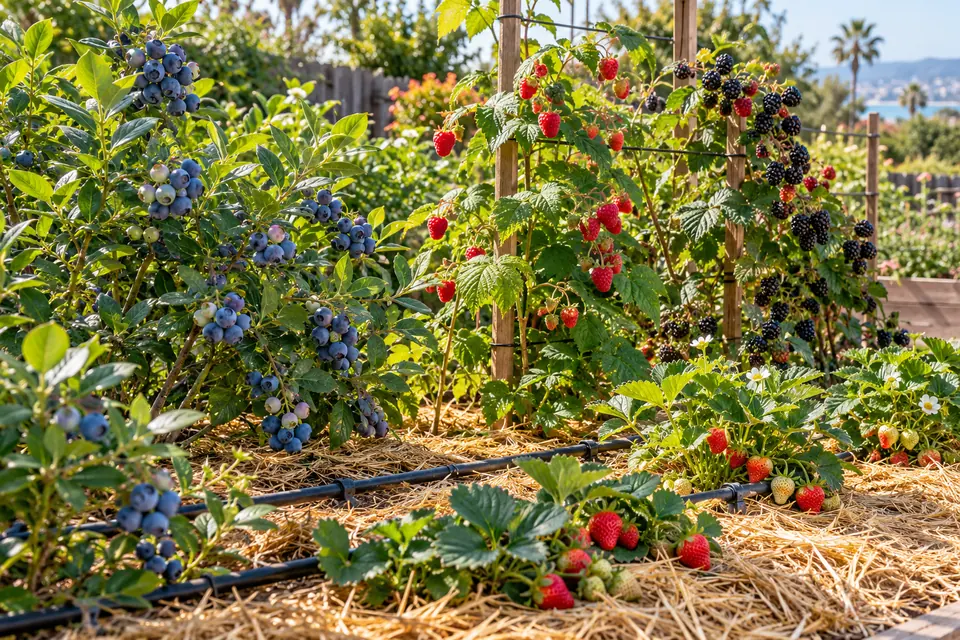
Photo of a berry patch

Berry Patch

Smaller-scale planting of berry-producing shrubs like blueberries, raspberries, blackberries, or strawberries. Great for fresh eating, preserves, and attracting pollinators.
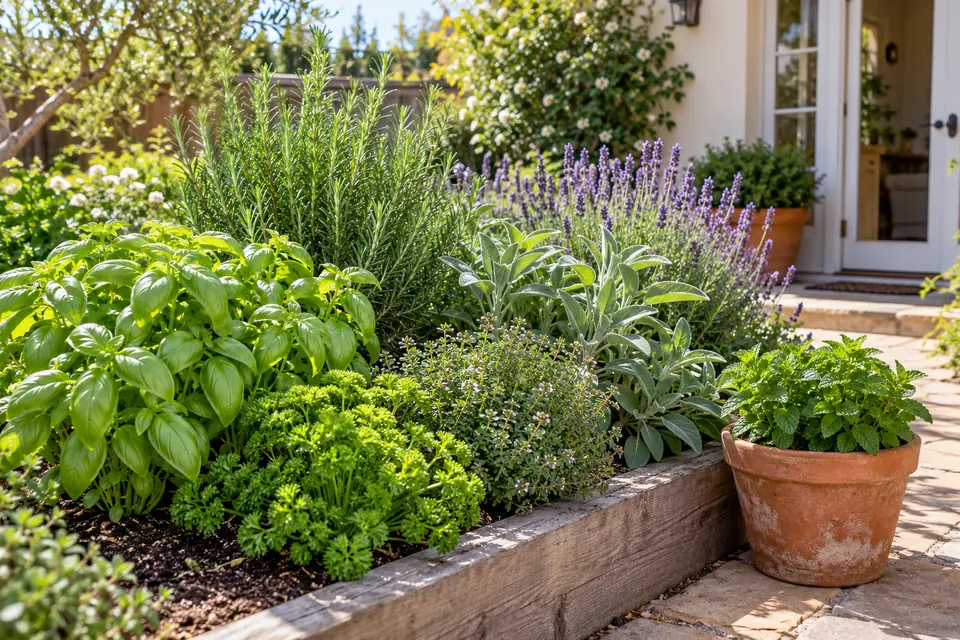
Photo of a kitchen herb garden

Kitchen Herb Garden

A focused garden for culinary herbs such as basil, rosemary, thyme, sage, mint, cilantro, parsley, chives, oregano, and lavender. Enhances meals, attracts pollinators, and can be grown in beds, containers, or integrated into other gardens.
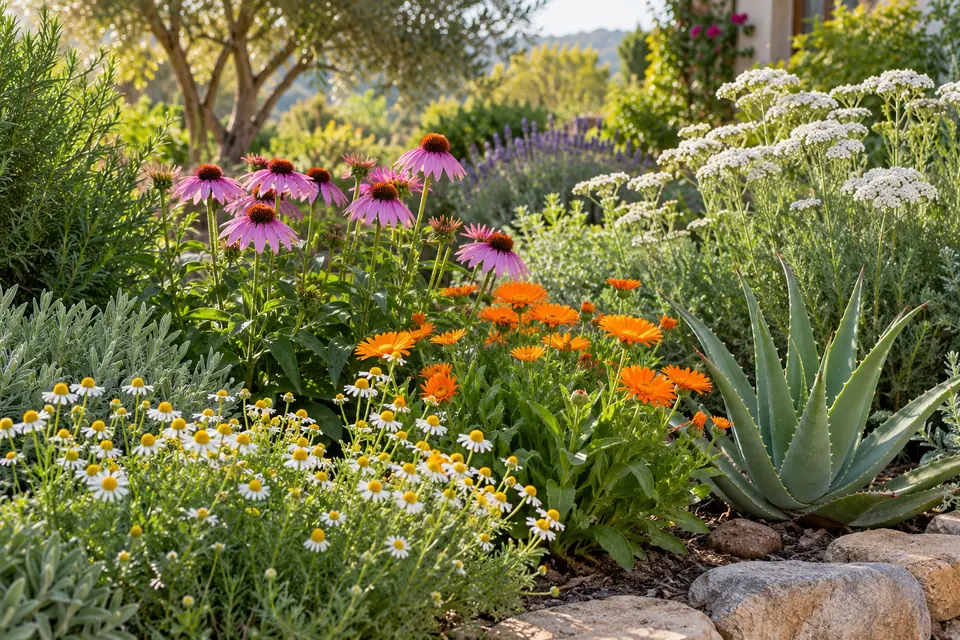
Photo of a medicinal plant garden

Medicinal Plant Garden

A garden designed to grow plants with therapeutic properties like echinacea, calendula, chamomile, aloe, and yarrow. Supports natural health and resilience.

Always identify plants correctly and use them with appropriate safety guidance. A garden isn't a substitute for medical care.
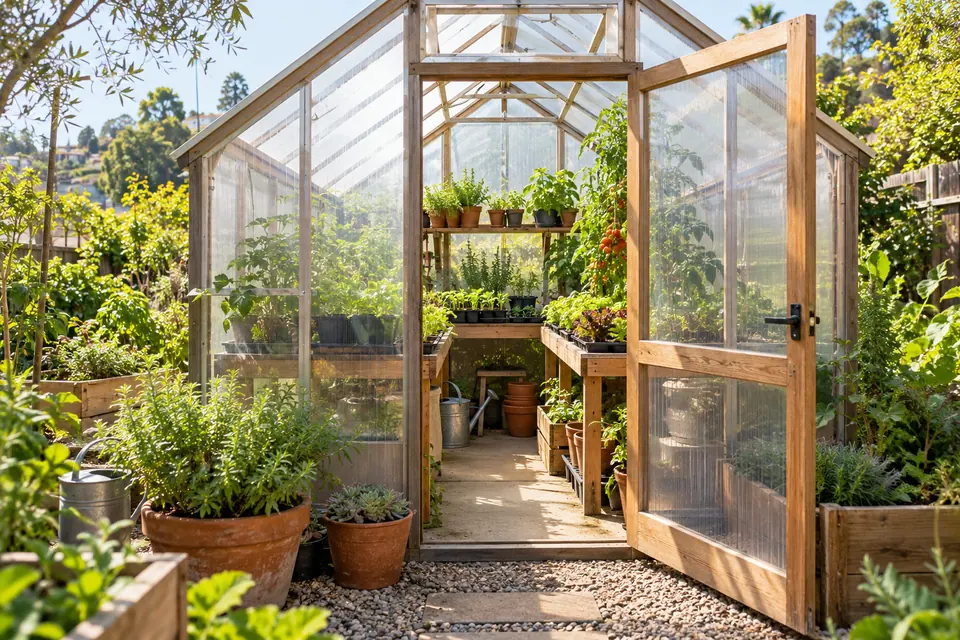
Photo of a greenhouse garden

Greenhouse Garden

A protected growing space that extends the growing season, shields plants from harsh weather, and allows for greater control of temperature, water, and pests.
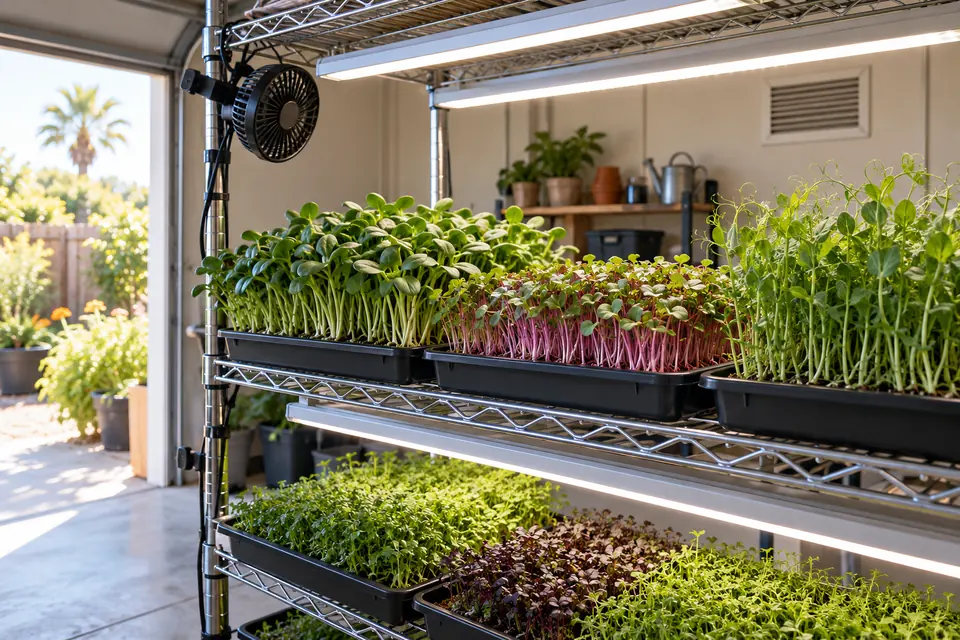
Photo of a microgreens garden

Microgreens Garden

Grow nutrient-dense seedlings (e.g., radish, broccoli, sunflower, pea shoots) harvested at the microgreen stage. Quick, space-efficient, and ideal for fresh greens year-round. Most home growers use a garage or shed with shelving and grow lights, which needs power for lights and fans plus good venting to release heat.
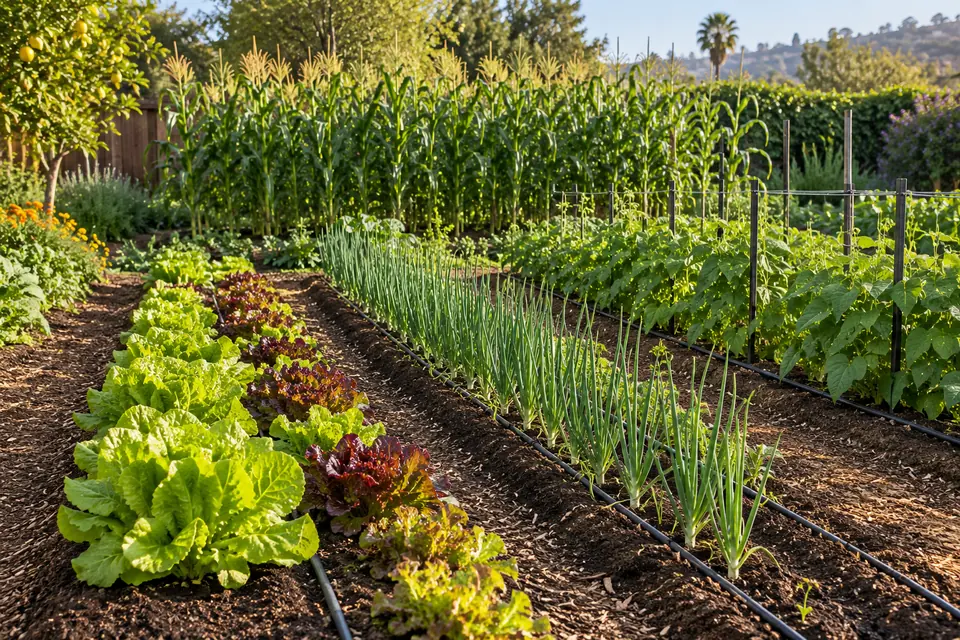
Illustration of row crops

Row Crops

Larger-scale planting of single or mixed crops in rows, such as lettuce, onions, garlic, corn, beans, potatoes, or grains. Efficient use of space and water, ideal for larger gardens or small farms.
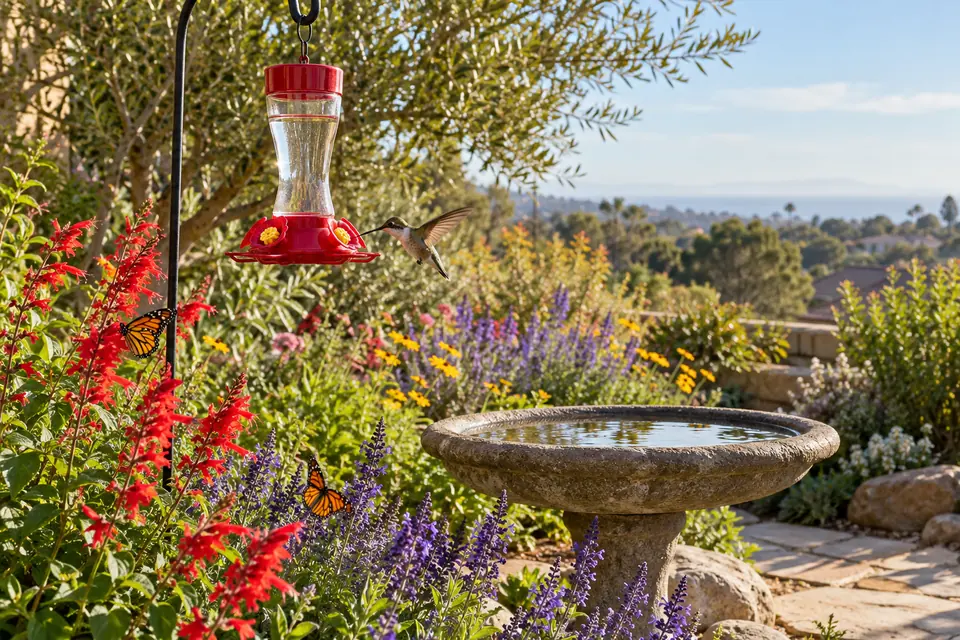
Photo of a butterfly and hummingbird garden

Butterfly & Hummingbird Garden

A garden designed to attract and support butterflies, hummingbirds, and other beneficial pollinators. Includes nectar-rich flowers, native plants, host plants, hummingbird feeders, and bird baths. Enhances biodiversity and supports a healthy ecosystem.
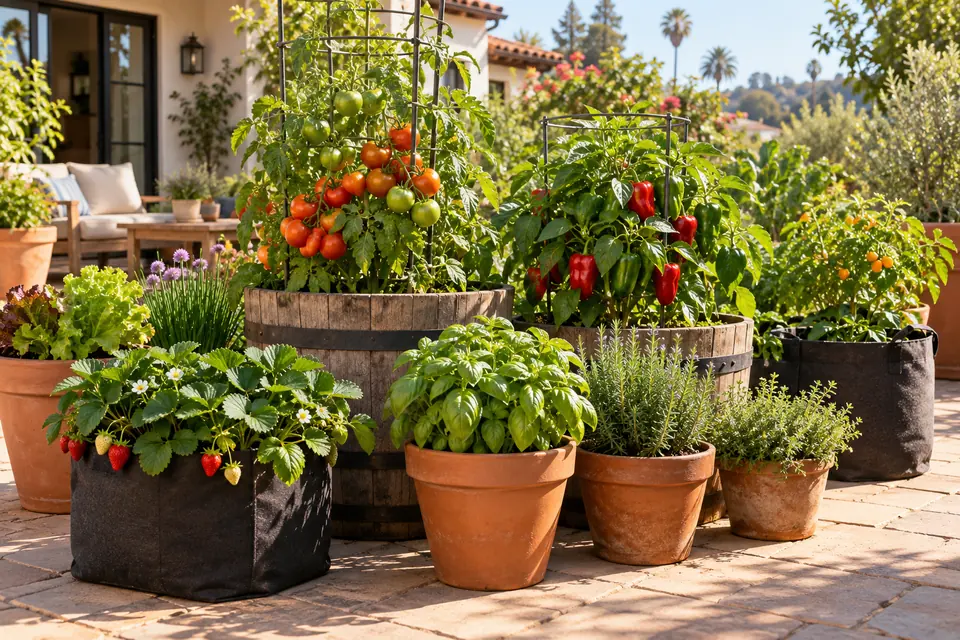
Photo of a container garden

Container Garden

Plants grown in pots, barrels, or other containers. Flexible, mobile, and ideal for small spaces, patios, or poor soil areas.
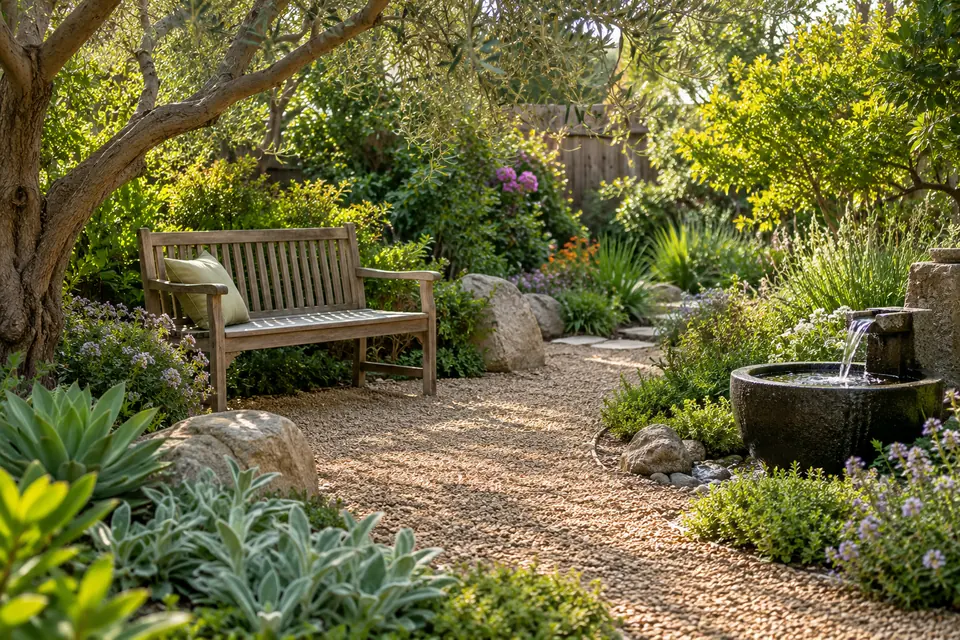
Photo of a prayer and meditation garden

Prayer & Meditation Garden

A quiet space for rest, reflection, and prayer. Includes a comfortable seat, soft greenery, fragrant plants, and the sound of water or wind chimes. A peaceful place to slow down, breathe, and reconnect with the earth.

Wanna Garden? FAQ

Good questions before you put a shovel in the ground

No. A successful first garden should be designed around what your family wants to eat, the space you have, available sunlight, and the amount of time you realistically want to spend maintaining it.

Much less than most people think. Herbs and vegetables can be grown in containers on a patio or balcony. A 100–250 sq-ft garden can provide substantial fresh produce. A 500–1,000 sq-ft garden can become a significant food and healing garden.

Once established with good soil, mulch, and automated irrigation, plan roughly 4–8 family-hours per week during the active growing season. Spring planting and major harvest periods may require more; winter may require considerably less. Importantly, those hours can be divided among several family members.

It can, but thoughtful design matters enormously. Drip irrigation, hydrozoning, mulch, healthy soil, and irrigation scheduling can greatly reduce unnecessary water use. We treat water as a fundamental design consideration, especially here in the Southwest.

It depends on your soil, drainage, available space, physical accessibility, and what you want to grow. Raised beds provide control over the growing medium and easier access; healthy existing soil can make in-ground growing economical and productive.

Usually not automatically. We first want to understand what is already there. Soil texture, compaction, organic matter, rock, salts, crusting, and biological activity can all influence the appropriate treatment, and we look at all of these during a WormTRAP Garden Assessment. Dealing with heavy clay? See our Clay Soil Remediation fact sheet.

Start with what your family actually eats. Then consider culinary herbs, medicinal/healing plants, berries, and pollinator plants. The goal isn't to grow everything; it's to create a useful garden your family wants to visit. Our cool-season and warm-season vegetable lists are a great place to start.

Absolutely. Children can plant large seeds, harvest vegetables, collect kitchen scraps, feed worms, observe insects and pollinators, and help decide what's for dinner. The garden can become an outdoor family classroom.

We strongly encourage it. Kitchen scraps, garden residues, and other appropriate organic materials can become resources rather than waste. Worm composting is particularly family-friendly and gives children a chance to take part in soil stewardship. Compost and worm castings are at the heart of how WormTRAP builds healthy garden soil.

Yes. A family healing garden might include plants such as aloe, calendula, chamomile, lavender, lemon balm, mint, and other appropriate herbs. Plants traditionally used medicinally should still be identified correctly and used with appropriate safety guidance; a garden isn't a substitute for medical care.

That's still a garden. Containers can support herbs, greens, peppers, compact tomatoes, strawberries, and other crops. The garden should fit the family, not the other way around.

That's a design issue. Automated drip irrigation, mulch, appropriate plant selection, and a smaller growing footprint can dramatically reduce routine maintenance. It is better to have 150 square feet you love than 1,000 square feet you resent.

There isn't one useful number without knowing the site. Existing soil, irrigation, raised beds, containers, plant selection, and DIY involvement all change the investment. That's why Wanna Garden starts with discovery rather than selling a predetermined garden package.

WormTRAP reviews your goals, available space, time commitment, and interests and helps identify an appropriate garden direction. If you're ready to continue, the next step is a more detailed Garden Assessment and site evaluation.